Delivering instant volume while triggering your body to build fresh collagen for months — explore why Radiesse is a go-to for cheeks, jawlines, and hands.
Quick answer: Most dermal fillers do one job: they fill. Radiesse does two. It's one of the few injectables that delivers instant volume the moment it's injected, while also triggering your body to build its own fresh collagen underneath the skin for months afterward.
That dual action is why Radiesse has stayed a go-to option for cheeks, jawlines, and hands — areas that need real structural support, not just a temporary plump. Radiesse first received FDA approval in 2006 for correcting facial lipoatrophy and moderate to severe facial wrinkles, and its approved uses have expanded several times since.
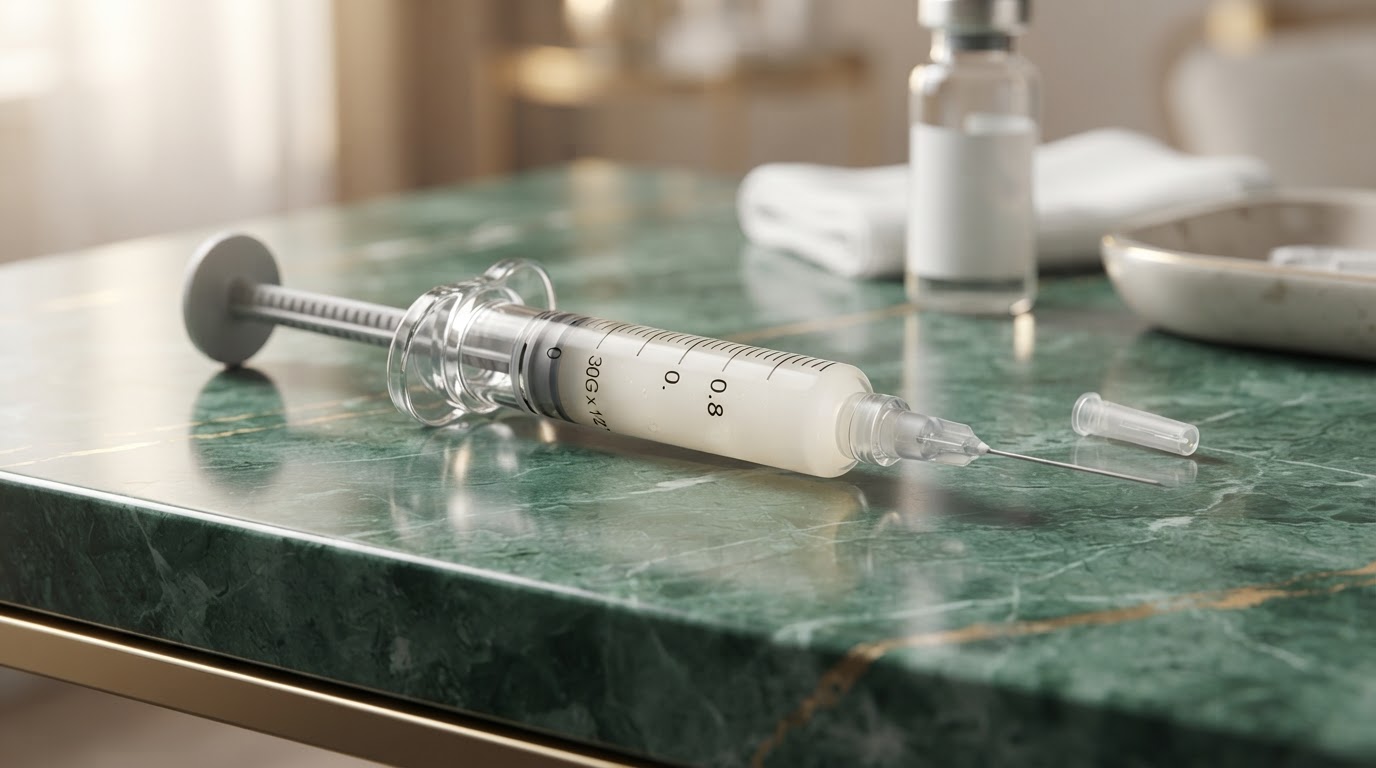
What Is Radiesse, Exactly?
Radiesse is a calcium hydroxylapatite (CaHA) filler — a mineral-based compound that's actually already found naturally in human bone. Instead of hyaluronic acid (the base in fillers like Restylane or Juvéderm), Radiesse uses tiny CaHA microspheres suspended in a smooth gel carrier. A narrative review published in a peer-reviewed medical journal describes Radiesse as one of the most established biostimulatory fillers used in modern aesthetic medicine.
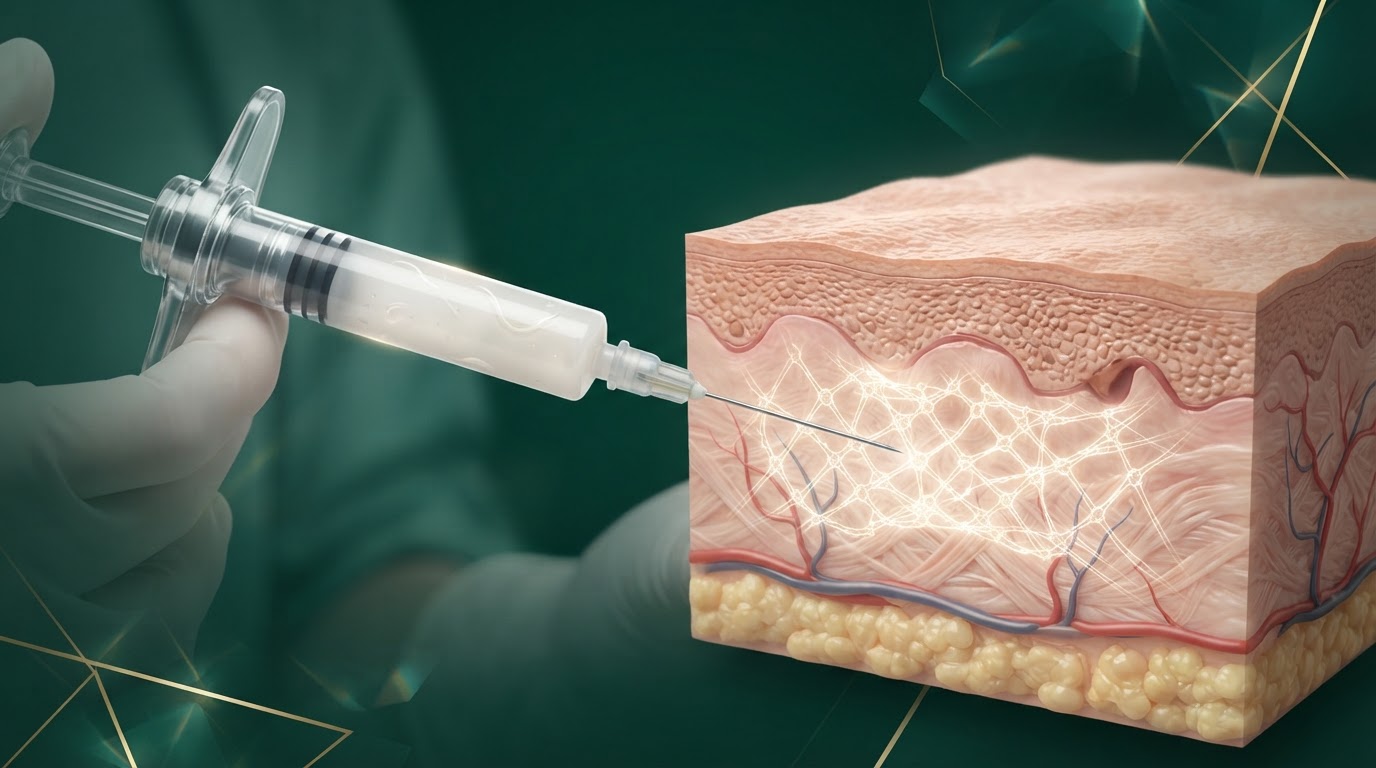
That gel provides the immediate lift and volume you see right after treatment. But it's the microspheres that make Radiesse stand out — they act as a scaffold under your skin, stimulating your own collagen and elastin production over the following weeks and months. According to the American Society of Plastic Surgeons, calcium hydroxylapatite is a mineral-like compound found naturally in human bones, which is part of why it integrates so well with the body's own tissue.

What Areas Can Radiesse Treat?
Radiesse's structure makes it especially well-suited to areas that need lift and contour, not just softening:
Best for: cheek augmentation and midface volume loss, jawline contouring, softening nasolabial folds and marionette lines, and hand rejuvenation where veins and tendons have become more visible with age. Radiesse is actually the first FDA-approved injectable filler specifically indicated for jawline contour improvement, which is part of why it's become a favorite for non-surgical jaw definition.
What to Expect During Treatment
A typical Radiesse appointment starts with a consultation where your provider evaluates your facial structure, skin quality, and goals to determine how much product is needed and exactly where it should go. Because Radiesse is thicker than hyaluronic acid fillers, it's especially good at holding its shape in areas that need real support, like the jawline or cheekbones.
Many formulations include a small amount of lidocaine mixed in to minimize discomfort during injection, so most patients describe the sensation as mild pressure rather than significant pain. The treatment itself usually takes 15 to 45 minutes depending on how many areas are being addressed, and there's no downtime required — most people return to normal activities the same day.

Some temporary swelling, redness, or mild bruising at the injection site is common and typically resolves within a few days to a week. You'll see an initial improvement immediately, but the full effect — as your body's own collagen builds up around the CaHA scaffold — continues to develop over the following 4 to 8 weeks.
Radiesse vs. Other Popular Fillers
It's common to see Radiesse vs Juvederm or Radiesse vs Sculptra come up when researching options, since all three are used for volume restoration but work differently:
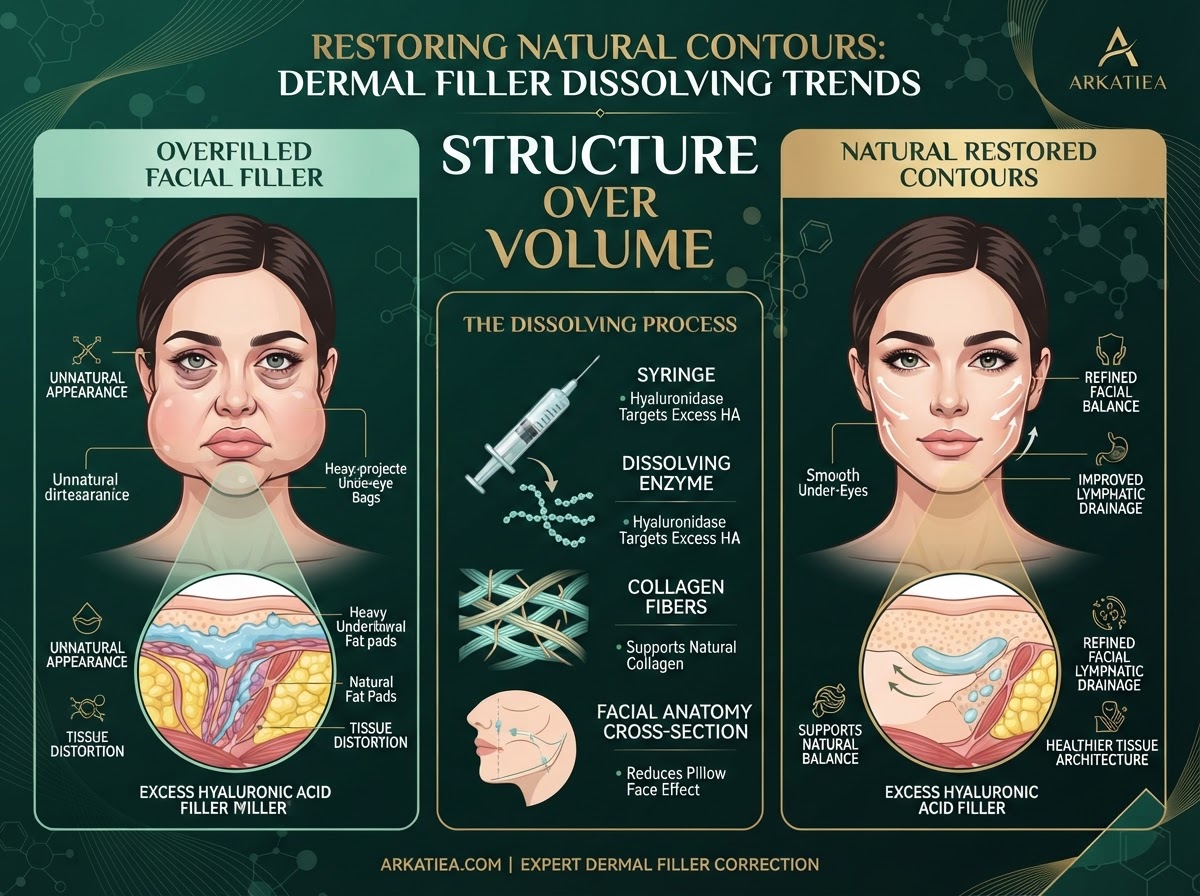
Radiesse vs. hyaluronic acid fillers (Juvederm, Restylane): HA fillers are softer and more adjustable — they can even be dissolved if needed — making them popular for lips and subtle touch-ups. Radiesse is thicker and longer-lasting, better suited for structural support in areas like the jawline, cheeks, and hands.
Radiesse vs. Sculptra: Both are biostimulators that trigger collagen production, but Sculptra (poly-L-lactic acid) works more gradually over several months with no immediate volume, while Radiesse provides both instant volume and collagen stimulation from the very first appointment.
How Long Does Radiesse Last?
This is where Radiesse really separates itself from many other fillers: results typically last 12 months or longer, with some patients seeing benefits up to 18–24 months in areas with less movement. Because your own collagen is doing part of the work, the results also tend to look increasingly natural over time rather than fading all at once.
It also generally requires fewer touch-up visits per year compared to hyaluronic acid fillers — a meaningful factor if you're comparing long-term cost and time commitment. Full prescribing and safety information is available on the official RADIESSE® manufacturer site, including details on FDA-approved uses and possible side effects.
Frequently Asked Questions
Is Radiesse safe?
Yes. Radiesse has been FDA-approved since 2006 and has a long track record of safety across millions of treatments. Like any injectable, it does carry standard risks — bruising, swelling, and rarely, nodules — which is why choosing an experienced, licensed injector matters.
Does Radiesse show up on X-rays or CT scans?
Yes — the calcium hydroxylapatite microspheres are visible on imaging like X-rays and CT scans. This is well documented and not harmful, but it's important to mention any filler history to your healthcare provider before imaging, especially near the chest or décolleté area.
Can Radiesse be combined with other treatments?
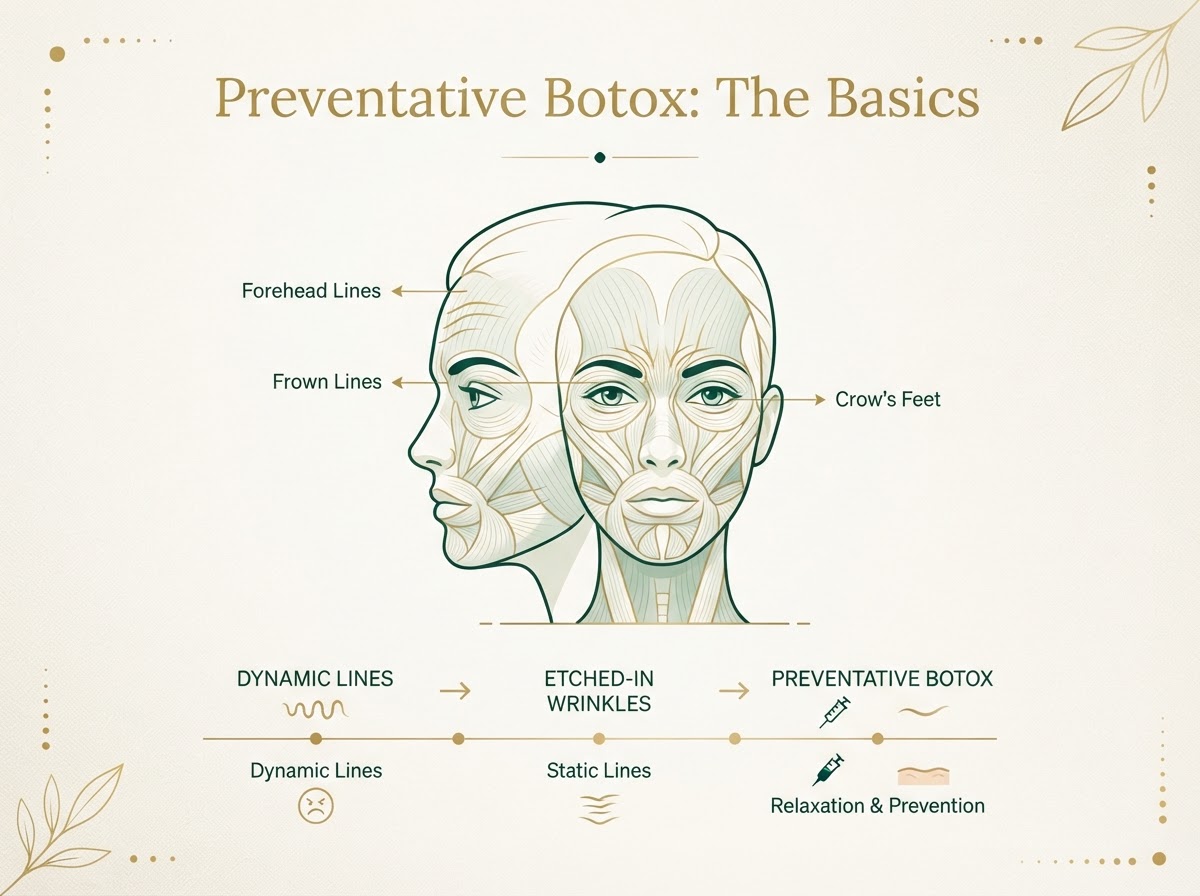
Absolutely. Many patients pair Radiesse with Botox or another wrinkle relaxer for a more complete refresh — Radiesse for volume and contour, wrinkle relaxer for expression lines.
Who should avoid Radiesse?
Radiesse isn't recommended for anyone with active skin infections in the treatment area, a history of severe allergic reactions to any of its components, or certain autoimmune conditions. Your provider will review your health history during your consultation to confirm you're a good candidate.
Is Radiesse Right for You?
Radiesse tends to be the best fit for patients who want real structural volume — not just softened lines — and who'd rather not be back in the chair every few months. Radiesse's approved uses keep expanding too: as of 2026, the FDA cleared Radiesse to treat décolleté wrinkles as well, making it the first biostimulator approved for both the face and body.
If you're searching for Radiesse near me or Radiesse Kearney MO, a consultation is the best next step to see if it fits your goals.